
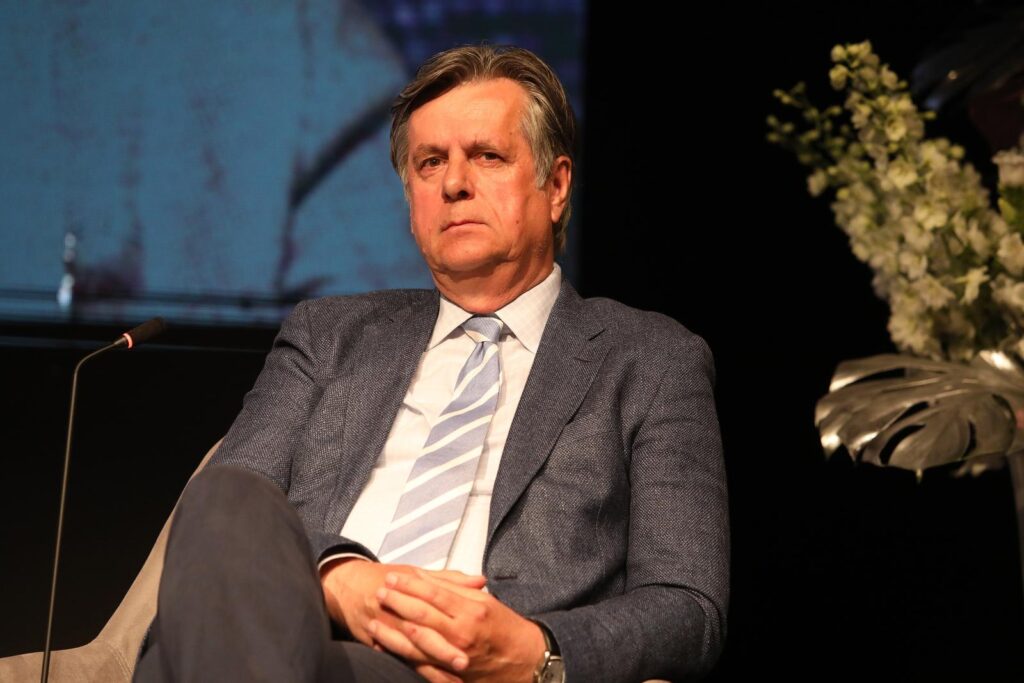
July the 16th, 2026 – Croatian economist Damir Novotny has warned that Croatia is in serious danger of losing ground as Mediterranean tourism rapidly changes.
Croatia’s tourism industry is facing a critical turning point, with well known economist Damir Novotny warning that the country can no longer rely on its coastline alone to remain competitive in the evolving wider Mediterranean market.
Poslovni reports that in speaking about the future of Croatian tourism, Novotny argued that expectations placed on the sector have become entirely unrealistic. According to him, changing consumer habits, rising inflation and climate change have fundamentally altered travel patterns, meaning Croatia must rethink its tourism strategy rather than depend on record visitor numbers year after year.
the croatian coast is beautiful, but that isn’t enough anymore

While Croatia continues to attract millions of visitors each summer, Novotny believes competing destinations such as Greece, Italy, Spain and Portugal have developed more diverse tourism products that encourage visitors to stay longer and spend more.
“The Croatian coastline may be among the most beautiful coastline in the whole Mediterranean,” he argues, “but scenery alone is no longer enough.” Instead, today’s travellers are looking for authentic gastronomy, cultural experiences, year-round events and higher-quality accommodation, all areas where Croatia still has plenty of room for improvement.
One of his strongest criticisms concerns the country’s culinary offer. Outside a few standout regions such as Istria, he believes Croatia has yet to deliver the authentic, good-value gastronomic experiences many international visitors expect. Traditional dishes such as roast lamb and ćevapi may remain popular, but they are no longer enough to define a modern tourism destination.
people are taking shorter holidays and breaks

Novotny also warns that tourists are shortening their holidays. Although peak summer occupancy is likely to remain strong, visitors are spending less time in Croatia because they have fewer reasons to extend their stay. Without more cultural events, entertainment and experiences beyond the beach, destinations risk becoming short-stop holiday locations rather than week-long escapes.
Price competitiveness is another growing concern. He argues that many tourism businesses continue raising prices to compensate for weaker business outside the main season, but says this model is becoming increasingly unsustainable. Rather than relying on higher prices during a few summer months, Croatia should invest in attractions and infrastructure capable of extending the tourist season.
As competition across the Mediterranean intensifies, the economist believes Croatia’s long-term success will depend less on natural beauty and more on creating a richer, higher-quality tourism product. Investing in culture, gastronomy, accommodation and year-round experiences, he says, will be essential if Croatia wants to remain one of Europe’s leading holiday destinations.