
June the 7th, 2026 – For years, one of the defining stories of Croatia’s economy has been the rapid arrival of foreign workers. Has Croatia’s foreign worker boom now entered a new phase and started to reverse?
From Dubrovnik’s bustling restaurants and Zagreb’s (painfully slow moving) construction sites to hotels on the islands, workers from Nepal, the Philippines, India and Bangladesh have become an increasingly familiar part of everyday life. New figures are now prompting an important question: Has Croatia’s foreign labour boom started to slow down, or even reverse?
Recent data shows a very noticeable decline in newly issued work permits compared with the same period last year, sparking debate among employers, economists and policymakers about what comes next.
A dramatic transformation of croatia’s workforce and society
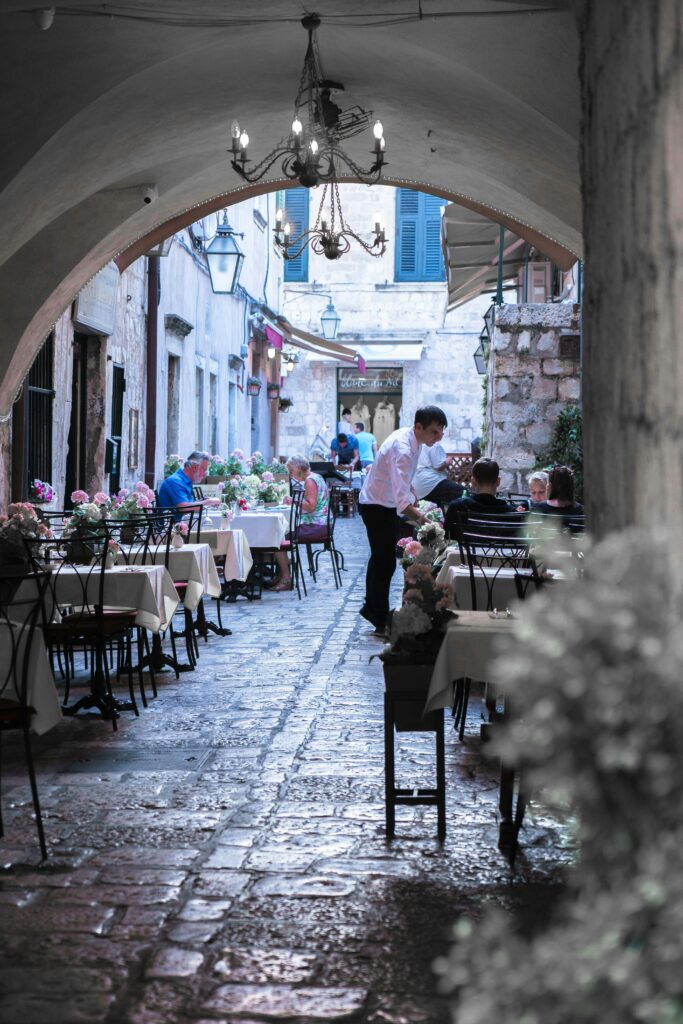
Only a few years ago, foreign workers were relatively rare in Croatia. Today, they’ve become essential to some of the country’s most important industries. Tourism, construction, retail, logistics and hospitality have all become heavily dependent on imported labour as Croatia struggles with demographic decline and labour shortages. The transformation has been remarkably fast. In many coastal destinations, foreign workers are now a visible and indispensable part of the tourism workforce.
Why Croatia needed foreign workers in the first place

The reasons behind the labour boom are relatively straightforward. Croatia has spent years losing population through emigration, low birth rates and an ageing society. At the same time, economic growth created thousands of jobs that employers struggled to fill. Many Croatian workers moved to Germany, Austria and other EU countries in search of higher wages. Businesses responded by recruiting workers from outside Europe. Without that influx, many employers argue they simply could not have operated at current levels.
Recent statistics suggest that the pace of growth may be slowing down as fewer new permits have been issued compared with the same point last year. That doesn’t necessarily mean fewer foreign workers are present in Croatia, as many workers are renewing their existing permits or transitioning to longer-term, more solid arrangements. However, the numbers have raised questions about whether the market is entering a new phase.
Employers remain concerned as the demographic crisis continues
Despite the slowdown in permit growth when it comes to foreign nationals, labour shortages remain a major challenge. Tourism businesses continue reporting difficulties finding staff for the summer season. Construction companies face similar problems. Employers argue that Croatia still lacks enough domestic workers to meet demand and insist foreign labour remains essential for economic growth. Many say labour shortages would immediately become visible and damaging if foreign workers disappeared.
The government is tightening rules and integration is challenge number two

Part of the explanation may lie in changes to regulations. Authorities have introduced stricter requirements for employers and increased oversight of recruitment practices. The goal is to prevent abuse while ensuring workers receive appropriate protections. Supporters say stronger rules are necessary as the number of foreign workers continues growing. Critics warn that excessive bureaucracy could discourage legitimate employers.
As foreign workers become a permanent feature of Croatian society, attention is increasingly shifting from recruitment to integration. Questions about housing, language learning, education and long-term residence are becoming more important. Many workers who originally arrived for seasonal employment are now considering longer stays. That means Croatia is no longer discussing only labour policy but its (traditionally lax) immigration policy.
Public opinion remains divided

The growth of foreign labour has generated mixed reactions. Many people do clearly recognise that businesses need workers and acknowledge the contribution foreign employees make to the economy. Others worry about wage pressure, integration challenges and the long-term social impact of rapid demographic change. As a result, stories about foreign workers consistently generate some of the most active discussions on Croatian news websites.
Economists note that the current debate reflects a deeper issue, and that’s that Croatia’s labour shortages are not simply a temporary problem. They are linked to long-term demographic trends that are unlikely to disappear. Decades of people jumping ship and never returning to Croatia has left deep societal scars, and even if permit numbers fluctuate from year to year, the underlying challenge remains the same:
There are simply nowhere near enough workers available to meet the needs of a growing economy.
For now, foreign workers remain crucial to Croatia’s success and the question is not whether Croatia needs foreign labour. The real issue is whether the country is moving from a period of rapid expansion to a more mature phase where integration, retention and long-term planning become more important than simply bringing in more workers.