May the 15th, 2026 – Croatia’s supermarket wars are intensifying as consumers begin to push back on the ridiculously high prices that have been the “norm” for much too long now.
As spiralling inflation continues to dominate public discussion, competition between major retail chains is becoming increasingly aggressive, with discounts, loyalty campaigns and public price comparisons now central to how supermarkets market themselves. Croatian media and consumer groups are paying close attention because food prices have become one of the country’s most politically sensitive issues.
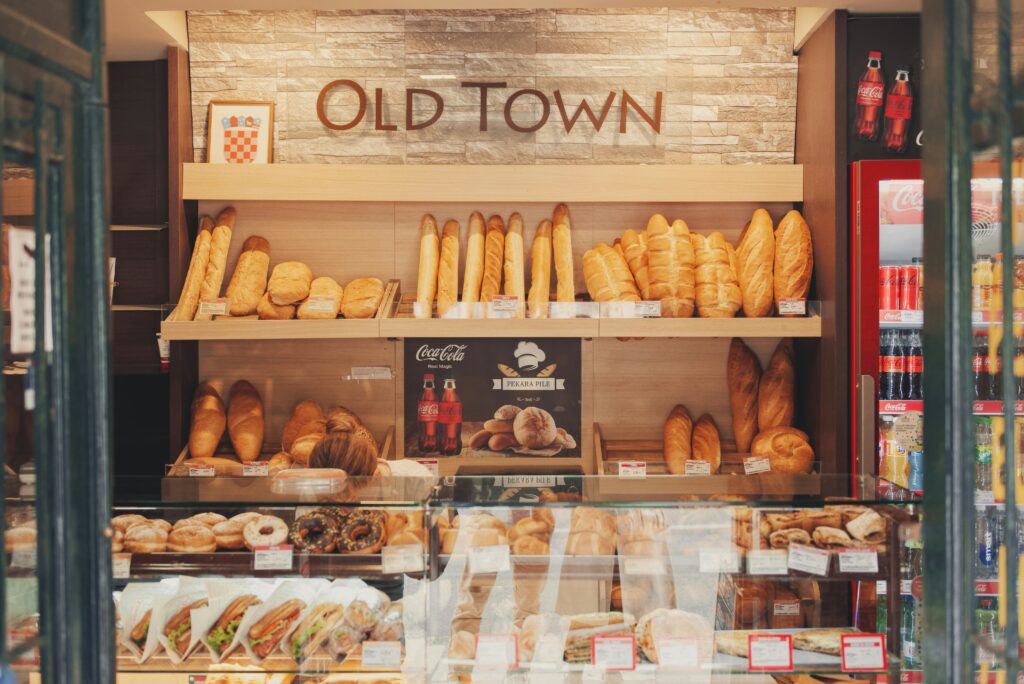
For many, Croatia’s now infamously high prices have become the clearest symbol of rising living costs. Basic products like bread, dairy, meat, coffee and household goods have all seen noticeable increases over the past few years, especially since the coronavirus pandemic and the adoption of the euro.
discount stores take the lead
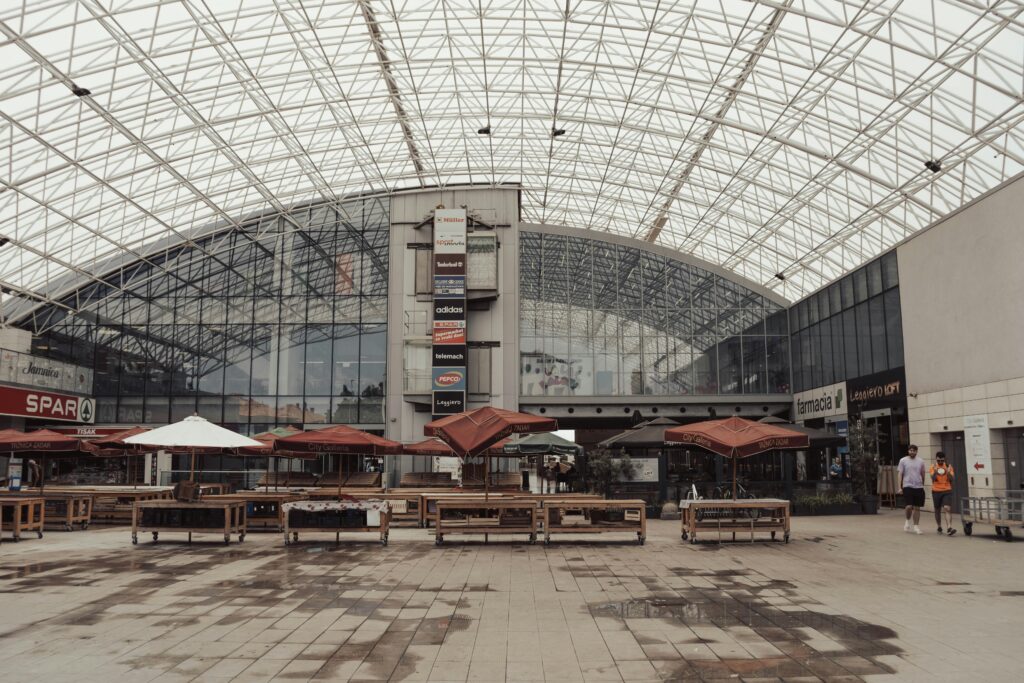
As a result, shoppers are becoming far more price-conscious than before. Croatian social media and consumer forums are now filled with discussions comparing prices between chains, tracking discounts and criticising sudden increases in everyday items.
Major supermarket groups operating in Croatia are increasingly competing through weekly promotions, digital loyalty systems and highly visible discount campaigns. Some chains are also expanding private-label products more aggressively as consumers look for cheaper alternatives to international brands.
One of the clearest trends in Croatian retail is the growing strength of discount-oriented supermarkets. Consumers facing higher living costs are increasingly prioritising price over brand loyalty, helping lower-cost chains expand market share. This is reshaping competition across the sector and putting pressure on traditional retailers to keep prices competitive.
The Croatian Government remains heavily involved in the inflation debate, particularly regarding food prices. Officials continue monitoring retail pricing and publicly commenting on cost increases, especially for essential products. While Croatia operates within a free-market framework, supermarkets are increasingly aware that pricing has become politically sensitive and highly visible.
changing consumer habits
Another interesting trend emerging in Croatian discussions is behavioural change. Consumers are shopping more strategically, buying in bulk more often, comparing promotions between chains and becoming more selective about spending. Some retailers report stronger demand for discounted items and smaller package sizes, reflecting broader caution among households.
the tourism season’s additional layer
The rapidly approaching summer season complicates the picture further. Coastal supermarkets must prepare for millions of tourists while also dealing with domestic concerns about affordability. This creates tension between seasonal pricing opportunities and public pressure to avoid dramatic increases during peak tourism months.
The result is what many Croatian analysts now describe as a supermarket price war. Margins are under pressure, consumer expectations are changing and public scrutiny is increasing. For shoppers, that may mean more promotions and competition. For retailers, this all reflects a much deeper reality, and that is that in today’s Croatia, food prices are no longer just an economic issue, they’re becoming part of the country’s broader political and social mood.