May the 15th, 2026 – LELEK is altering how Europe experiences Croatian music and making the country a much more serious contender outside of typical Eurovision pop.
For years, Croatia struggled to define what kind of Eurovision country it wanted to be. Some entries leaned heavily into your typical Eurovision-style generic radio-pop formulas. Others embraced novelty and chaos. Qualification failures became common during much of the 2010s, and Croatia often felt like a participant searching for an identity rather than actually really expressing one.
Now, however, something appears to be changing with the emergence of LELEK. Following the international breakout success of Baby Lasagna back in 2024, Croatia’s 2026 Eurovision representatives LELEK are generating growing attention across Europe, and not because they sound international, but because they sound unmistakably regional.
It’s a musical and indeed cultural shift that may say something much bigger about Croatian music and cultural confidence.
lelek is different, and that’s grabbed europe’s attention
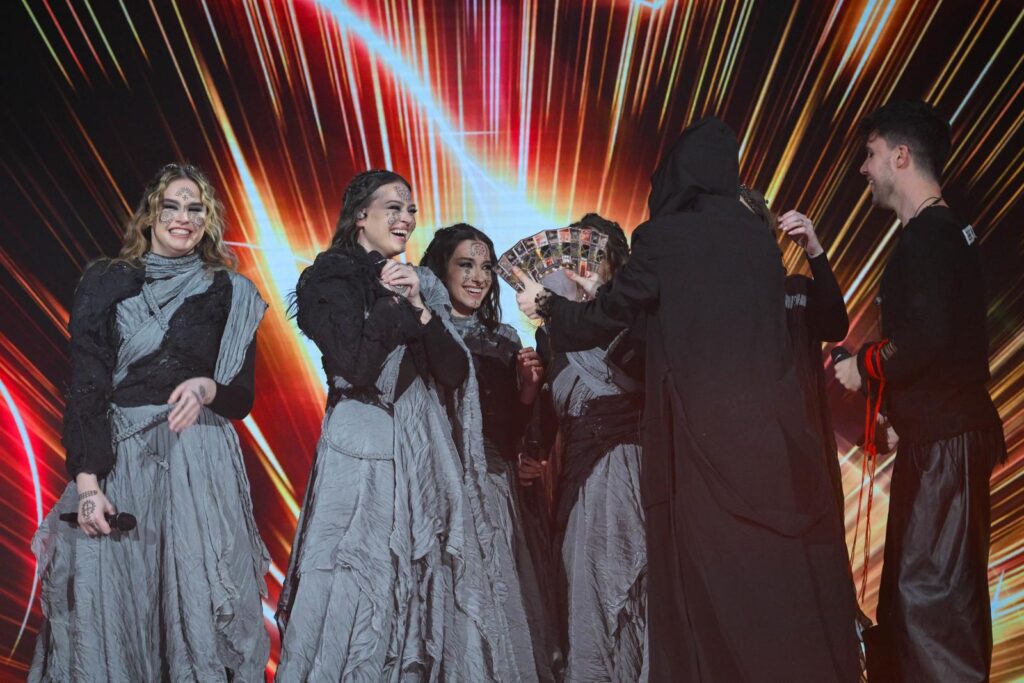
Croatia’s Eurovision entry Andromeda does not follow the typical Eurovision formula of comedic, crazy and frankly weird. Rather than chasing mainstream western European pop trends, LELEK combines Croatian and regional folk influences, layered harmonies and traditional vocal styles with cinematic staging and modern production.
The result is a performance that Eurovision fans repeatedly describe as “authentic,” “haunting” and culturally distinctive. Following the first semi-final, LELEK’s performance quickly became one of the most watched Eurovision clips online, outperforming several bookmakers’ favourites in early engagement numbers.
Across Eurovision fan communities, the reaction has been unusually strong and even more unusually positive.
What makes LELEK particularly interesting is that the group represents a broader shift in Croatia’s Eurovision identity. For many years, smaller European countries often tried to compete by sounding more westernised or internationally neutral. Croatia frequently followed the same pattern, sending polished English-language entries designed to fit mainstream Eurovision expectations.
Recent Croatian entries to Eurovision have increasingly moved in the opposite direction. Baby Lasagna embraced regional humour, dialect and Croatian absurdity. LELEK on the other hand leans heavily into ancient Slavic folklore, symbolism and ethno-pop aesthetics primarily rooted in the Adriatic and wider region.
In both cases, Croatia stood out not by hiding its identity, but by amplifying it. It goes without saying that Eurovision audiences appear to be responding positively to that confidence.
authenticity is croatia’s winning move
One of the clearest trends in modern Eurovision is audience fatigue with overly polished, generic performances. Fans increasingly reward acts that feel culturally grounded or emotionally distinctive, especially when compared to interchangeable pop songs designed primarily for jury appeal. That may explain why Croatia’s recent entries generate such strong online engagement.
LELEK’s Andromeda does not sound like Sweden, Britain or mainstream European radio. It sounds regional, atmospheric and specifically Croatian in its tone. In a competition where many songs blend together stylistically, that distinctiveness becomes an advantage.
The success of acts like LELEK also reflects a broader cultural trend among younger Croatian artists. There appears to be growing confidence in using local influences, traditional motifs and regional identity rather than treating them as something outdated or commercially limiting. Eurovision simply provides the largest possible stage for that shift to become visible internationally.
Croatia is no longer presenting itself as a smaller country trying to imitate larger music industries. Increasingly, it is presenting its own cultural identity directly, and discovering that European audiences may actually prefer that approach.
Whether LELEK ultimately wins Eurovision may matter less than the broader impact of the performance. Within just a few years, Croatia has gone from being a relatively overlooked Eurovision participant to one of the contest’s most talked-about and culturally distinctive countries, primarily for being exactly what it is, rather than attempting to sound like everyone else.