July the 20th, 2026 – Fewer and fewer foreigners have been recorded as moving to Croatia as the immigration from third countries we’ve witnessed over recent years eases throughout early 2026.
Following on from several years of record immigration from distant (primarily Asian) countries driven largely by labour shortages, the number of people moving to Croatia has begun to slow. This has been concluded following a deep dive into the latest figures released by the Croatian Bureau of Statistics (DZS).
This brand new data shows that while Croatia has been continuing to record positive net migration, both immigration and emigration declined during the first half of 2026. That suggests that the rapid influx of foreign workers seen over more recent years may finally be starting to stabilise.
According to the Croatian Bureau of Statistics, fewer people moved to Croatia compared with the same period last year. Foreign workers continue to account for the vast majority of new arrivals, reflecting ongoing demand in sectors such as construction, tourism, hospitality, manufacturing and transport. However, the pace of arrivals has eased compared to the exceptional growth recorded over the past two years.
most foreigners moving to croatia so far in 2026 continue to come from the country’s immediate region
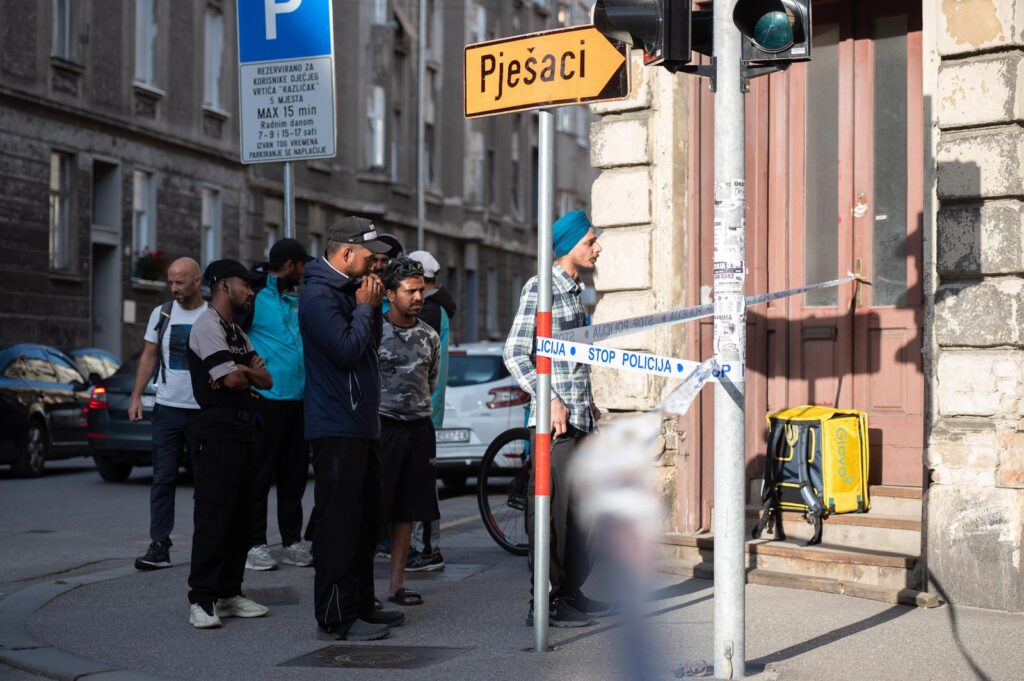
The largest number of foreign nationals relocating to Croatia continue to come from neighbouring countries and Southeast Asia. Citizens of Bosnia and Herzegovina, Serbia, Kosovo, North Macedonia and Nepal remain among the biggest groups of newcomers, with workers from the Philippines and India also continuing to play an increasingly important role in Croatia’s labour market. Many are employed in industries facing persistent shortages of domestic workers, particularly seasonal tourism and construction.
croatia’s enfeebled labour market remains the main driver
Croatia has experienced a dramatic increase in labour migration since the abolition of annual foreign worker quotas and the rapid expansion of work permit approvals. A rapidly ageing population, record low unemployment and sustained demand from employers have encouraged companies to recruit workers from abroad, transforming Croatia from a country traditionally associated with emigration into one increasingly dependent on foreign labour. Although immigration has slowed, it does have to be noted that employers in several sectors continue to report difficulties filling vacancies without international recruitment.
the positive migration trend is continuing – for now
Despite the decline in arrivals, Croatia continues to record more people moving into the country than leaving it.
Demographers note that positive net migration is an important development for a country that spent decades experiencing population decline through emigration. However, they also point out that immigration alone cannot fully offset Croatia’s long-term demographic challenges, including low birth rates and an ageing population. With tourism, infrastructure projects and economic growth continuing to fuel demand for workers, foreign labour is expected to remain an essential part of Croatia’s economy, even if the pace of immigration becomes more moderate than in recent years.