April the 27th, 2026 – The fuel crisis is continuing to bite as the Iran war continues, but what’s going on with Croatian flights specifically? The current advice is simple: Don’t make any long-term plans.
As Vedran Salvia/Index writes, chaos on the energy market and constant geopolitical tension due to the war in Iran are still causing issues for international air traffic. As we’re all more than aware, there was a drastic increase in the price of jet fuel, which has doubled since the outbreak of war and the blockade of the Strait of Hormuz.
That’s why most airlines are facing rising costs. In such conditions, it is increasingly difficult for companies to maintain their existing prices, and now the consequences are already beginning to spill over to passengers.
Lufthansa cancels 20,000 flights, and croatian flights to rijeka airport will suffer
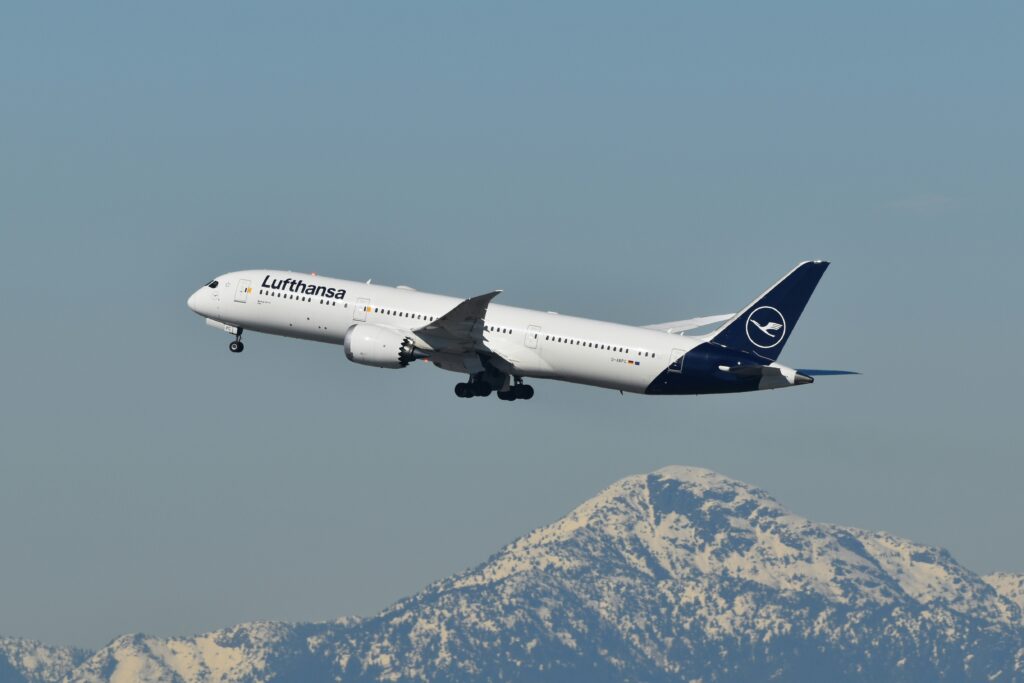
German airline Lufthansa has announced that it will cancel 20,000 short-haul flights this summer to cut costs due to a drastic increase in jet fuel prices. Lufthansa plans to save around 40,000 tonnes of jet fuel with this move.
Rijeka, which already struggles in comparison to all other Croatian airports aside from Osijek, was among the first victims of cuts in the Lufthansa network. These Croatian flights are the first to see any marked disruption as of yet. Rijeka Airport is on the list for change, which means that it is included in the process in which flights are set to be diverted or connected via the main hubs in Frankfurt, Munich, Zurich, Vienna, Brussels and Rome.
rising ticket prices
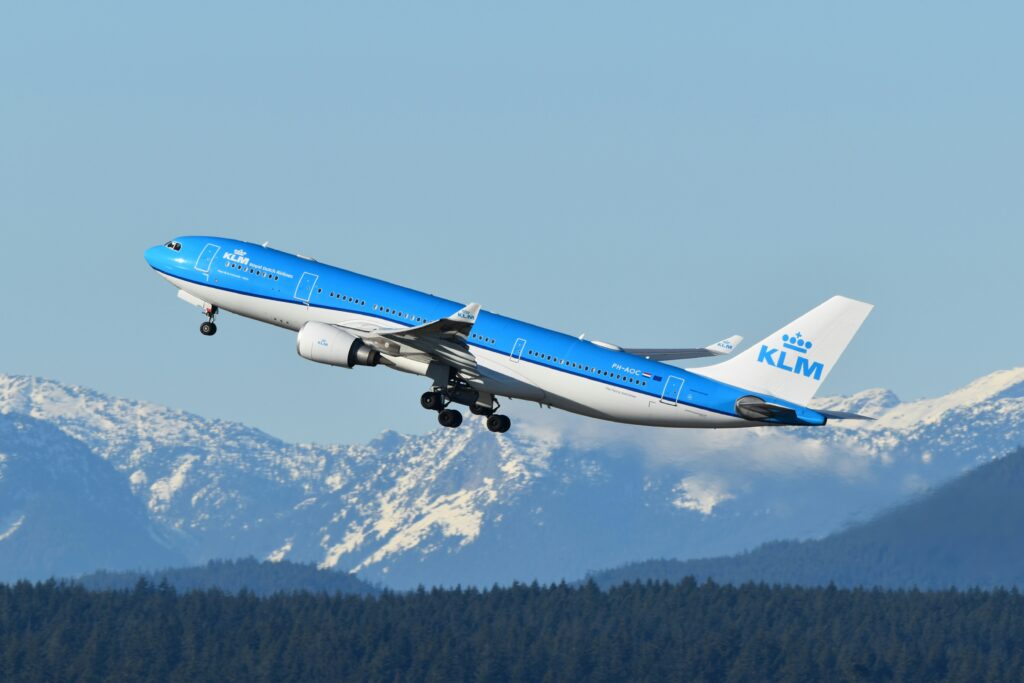
The crisis hit airlines from the Middle East and Asia the hardest at the very beginning of the conflict. Qatar Airways has had to cancel nearly 91% of its flights since the war broke out, according to data from aviation analytics firm Cirium as of the end of March. However, experts warned at the time that the crisis would eventually affect Europe as well.
AP News pointed out that airlines are already raising prices to moderate rising costs. Hong Kong’s Cathay Pacific increased fuel surcharges by around 34%, while Air India introduced surcharges of up to 280 US dollars on certain flights. Similar moves were made by Emirates, Lufthansa and KLM, all of them adjusting their prices in line with the sharp fluctuations across the fuel market.
what about croatia airlines?
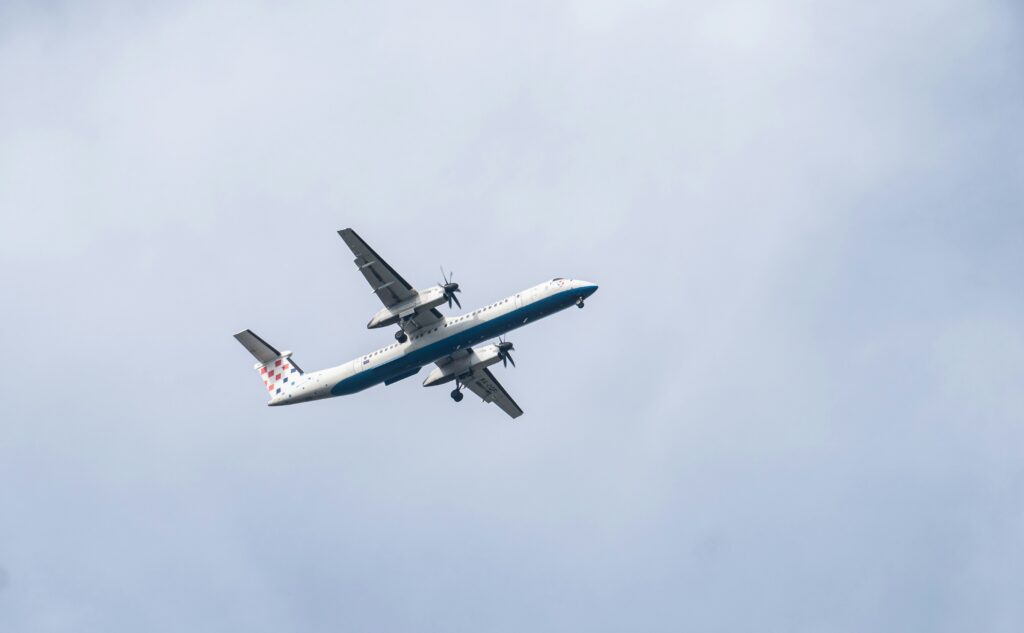
Croatia Airlines is currently facing the same problem as other European and global companies. When Croatia Airlines were asked about how the prices of their tickets are fluctuating, the answers were somewhat vague. The question primarily focused on whether prices on average rose compared to 2025 and on which routes the changes were most pronounced.
“Ticket prices depend on a number of factors and, depending on the route and tariff package, they move unevenly, with frequent oscillations due to the dynamic model of price formation based on demand and flight occupancy. Although tariff levels rose more often than fell, the average realised prices in domestic traffic in the first quarter of 2025 were about 5% lower than in the same period last year. The final price is significantly influenced by external factors such as fuel prices, seasonality and the increase in airport fees,” the airline responded.
The prices themselves are difficult to determine precisely, since airline tickets are not formed according to a single average, but through a dynamic model that depends on the day of travel, time of purchase and flight occupancy. As Croatia Airlines stated, prices fluctuate so it is difficult to determine the exact price movement. In any case, by reviewing the available prices and comparing different dates, one can clearly get the impression that price levels have trended somewhat upwards compared to the period before the Iran conflict broke out. This trend is also evident with other airlines.