May the 13th, 2026 – Continental Croatia has seen tourism growth in a way that almost nobody really noticed, far from the glitz and glam of the coastline.
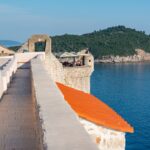
Since organised tourism really took off, Croatia always lay back on its laurels and sold itself to the rest of the world through a single image: the Adriatic coastline. Few visiting the country even actually realised that the country continued inland, away from the famed 1,000 islands, fancy yachts and constant smell of seafood on konoba grills.
from sun soaked coast to fertile fields

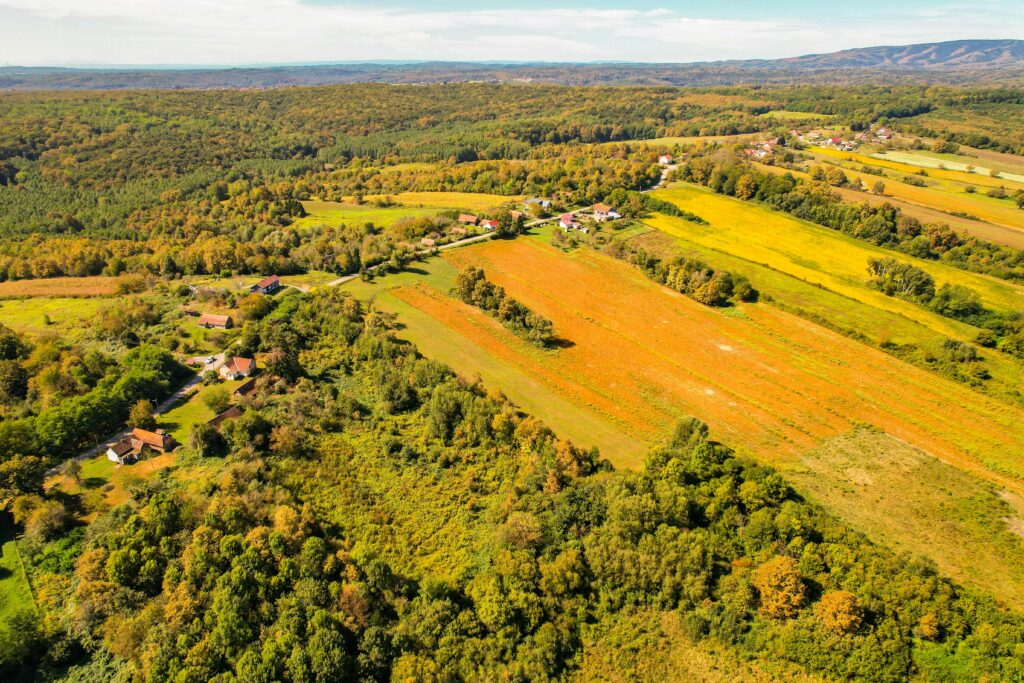
Things changed markedly over the last decade or so, and continental Croatia found its very own, distinct place under the sun. Zagreb, Slavonia, Lika and the rolling hills of Zagorje and Gorski Kotar began to be discovered, and for many – these locations have more lure than the sun-drenched, crowded coast.
Across the bio-diverse and rich land away from the rugged coast, continental Croatia saw a tourism boost beginning to emerge as an interesting economic and cultural shift. While the coastline and the islands naturally still dominate the vast majority of visitor numbers, continental Croatia is increasingly attracting investment, foreign interest and a fresh cohort of visitors seeking something with more depth than mere sunburn, expensive draught beer and crowds.
For years, continental tourism was treated almost as an afterthought in national tourism strategy. As written above, I’d be surprised if many visiting the country even realised places like Krapina, Zagreb County or Smiljan existed. Some still don’t. Visitors did spend some time in Zagreb (often because their plane landed there) and then they quickly continued south towards beaches, palm trees and waves. Looking at the situation today, however, and Croatia’s tourist boards are openly talking about inland Croatia as one of the country’s biggest untapped opportunities.
an altering tourist appetite, particularly post-pandemic

The coronavirus pandemic was unlike anything in living memory. It changed the world, how we see things, and in turn, how we want to visit places across the world and experience them.
Tourists increasingly prioritise experiences over mere bucket lists, slowing down and experiencing something authentic over mass tourism and crowds, and slower travel over fast-paced mass tourism. Rural tourism, wellness tourism, wine tourism and nature-based trips are growing across Europe, and Croatia is beginning to benefit, as it abounds in all of the above and more.
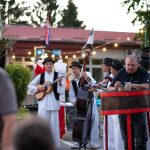
Slavonia’s winding wine roads that get even windier after a few glasses, Zagorje’s multiple thermal spas, Međimurje’s cycling routes and the growing farm-to-table scene across central Croatia are attracting visitors who are less interested in beach bars, cocktails and partying on islands and more interested in local identity and traditions that have stood the test of time.
The irony is that much of inland Croatia is now selling exactly what the coast fears it is losing: space, affordability, calm and authenticity. If you were to say something like that a decade or so ago, you’d have been met with a blank stare or an over-confident laugh.
In some areas of continental Croatia, people in the know are openly marketing their otherwise previously entirely overlooked regions as alternatives to expensive Adriatic coastal holidays. For Croatian families struggling with rising coastal accommodation prices, a long weekend in the fertile fields of Baranja or nestled in the deep green hills of Zagorje makes much more financial sense.
remote work has opened the eyes of many

Croatia’s digital nomad permit programme initially generated headlines focused on Split and Dubrovnik, but many long-term foreign residents are now looking beyond the coast. Inland cities and smaller towns offer lower costs, less seasonal chaos and more stable year-round living conditions.
Osijek, the eastern city few ever historically bothered with, has emerged as one of the strongest examples. Once viewed primarily through the lens of demographic issues, emigration and economic decline, Osijek is quickly developing a reputation for tech startups (such as the remarkable Orqa), and an increasingly good quality of life. Rijeka and Varaždin are also seeing similar repositioning efforts.
is the coast getting too big for its boots?
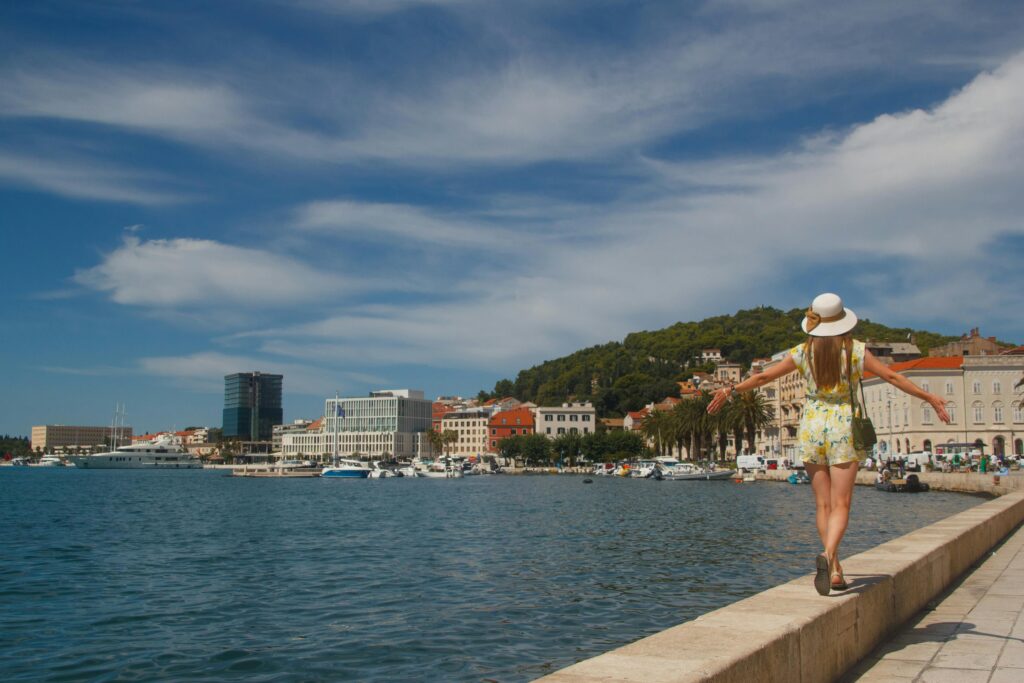
There is also an uncomfortable truth behind inland Croatia’s rise: parts of the Adriatic are struggling with the consequences of their own success. Rising prices, constant mass tourism concerns, traffic congestion and housing pressure have created frustration among both locals and visitors in a growing number of coastal destinations. During the scorching peak summer period, saturation is the overarching feeling.
That has created space for inland regions to reposition themselves not as secondary destinations, but as alternatives for many wanting something different. Tourism operators in continental Croatia increasingly emphasise what they do not have: overcrowded beaches, impossible parking, inflated apartment prices and packed old towns where you can barely breathe.
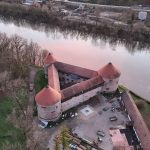
Instead, they market slower experiences such as rich vineyards, cycling, walking, plenty of old palaces and castles, rivers, wellness retreats and traditional food culture. In many ways, inland Croatia is benefiting from exactly the type of tourism reset the government has now finally started discussing more openly on a national scale.