May the 22nd, 2026 – Croatia is bracing for its first heatwave of the summer. It is due to arrive earlier than usual and come with temperatures much higher than they should be for this part of the year.
Climate change has dogged Croatia, droughts have caused issues for farmers and people are turning away from wanting to be burned to a crisp on their travels. As such, tourism, public health, wildfire risk, energy consumption and pressure on infrastructure have all become even greater issues.
After several consecutive years of record-breaking European summers, many Croats and would-be visitors to the country are paying closer attention to extreme heat than ever before.
Forecast models discussed in Croatian weather reporting suggest that temperatures could climb rapidly across both the Adriatic coast and inland regions over the coming days. Some forecasts indicate highs well above 30 degrees Celsius in coastal areas, while even the more mild area of central Croatia may also experience unusually warm conditions for this stage of the season. Meteorologists are increasingly describing the pattern as the first truly summer-like weather system of the year rather than a short temporary spike.
wildfire worries are already relevant
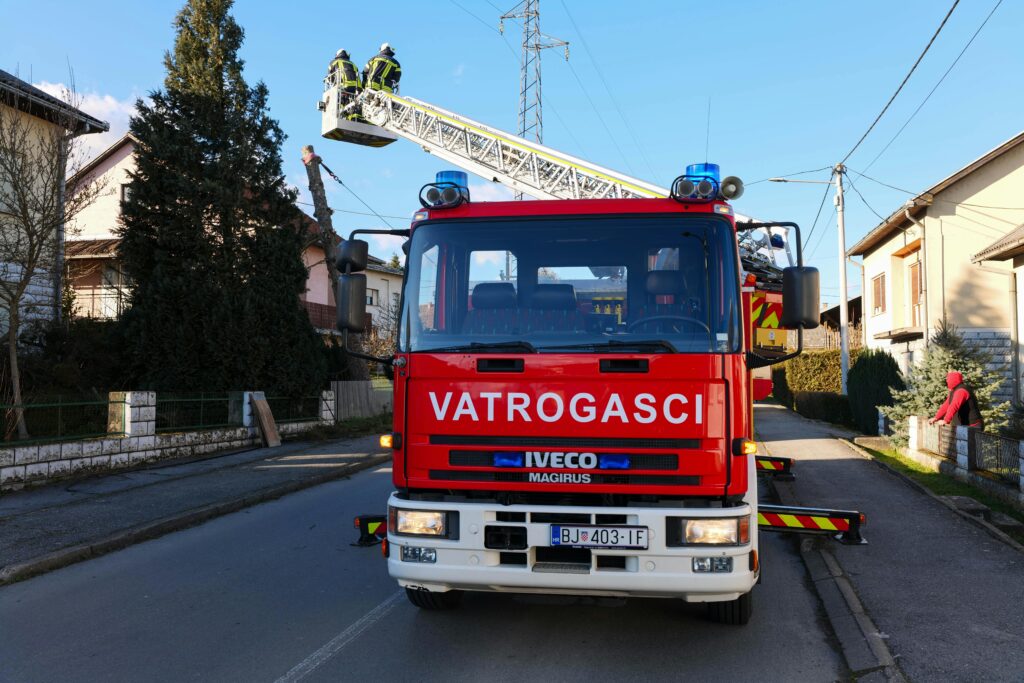
One of the biggest concerns linked to rising temperatures is fire risk along the Adriatic. Croatia’s coastal regions regularly face wildfire threats during dry summer periods, especially in Dalmatia where high temperatures, wind and dry vegetation create dangerous conditions very quickly. Emergency services are already busy preparing for elevated risk levels earlier than usual.
The issue is highly sensitive because large fires have repeatedly disrupted tourism seasons across southern Europe in recent years. Croatia is also no stranger to devastating blazes, particularly in Dalmatia.
tourism and heatwaves are becoming more closely linked

Extreme heat now plays a much bigger role in Croatia’s tourism conversation than it did a decade ago. Tourists increasingly monitor weather conditions closely when booking travel, while hospitality businesses and local authorities must adapt to longer periods of intense summer temperatures. Beach tourism may benefit from hot weather in the short term, but prolonged heatwaves also create pressure on water supply systems, electricity infrastructure and urban comfort in crowded coastal destinations. There are also a growing number of people who simply no longer care to visit Croatia during the height of summer as the scorching heat has simply become too much.
Croatian retailers and energy analysts have already noted growing demand for cooling systems as hotter summers become more common. Air conditioning, once considered optional in many homes and apartments, is increasingly viewed as absolutely essential infrastructure, especially along the coast and in urban centres like Zagreb and Split. This creates another challenge involving much, much higher electricity demand during peak heat periods.
extreme heat and too much sun is terrible for human health – and we’re now more aware of that than ever before
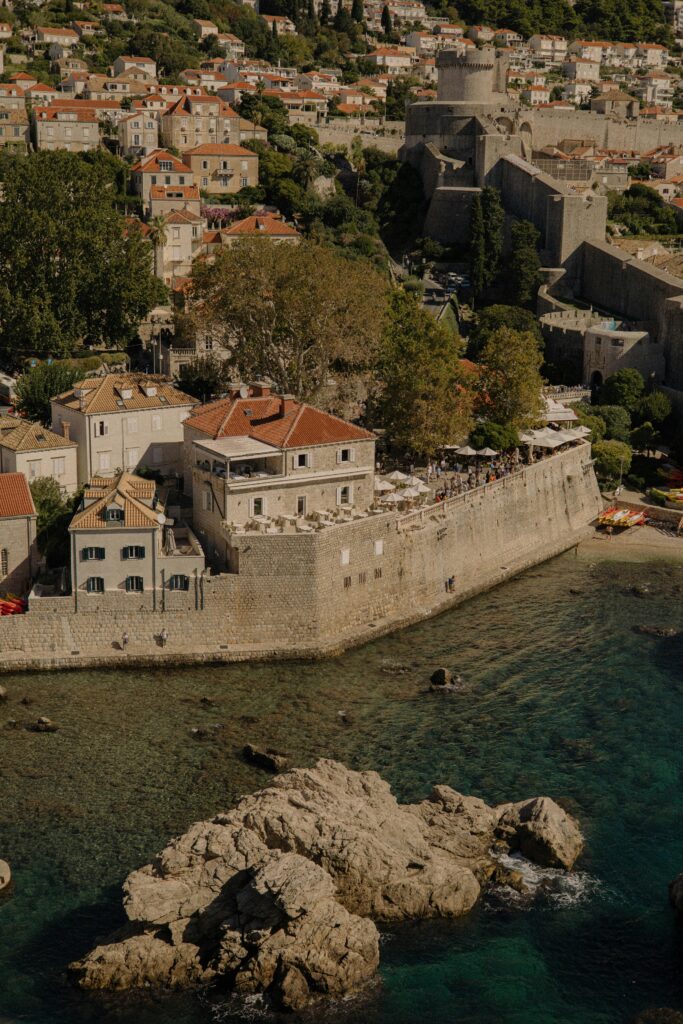
Croatian public health officials regularly advise vulnerable groups, especially older people and those with medical conditions, to avoid prolonged sun exposure during heatwaves. Hydration, avoiding outdoor activity during peak afternoon temperatures and monitoring indoor cooling conditions are becoming increasingly standard summer health messaging across the country. As temperatures rise earlier in the year, authorities may also need to adapt seasonal preparedness measures sooner than before.
Perhaps the most important shift is psychological. What once felt exceptional now increasingly feels normal. Croatian summers are becoming longer, hotter and more unpredictable, reflecting broader climate patterns visible across the Mediterranean region. Heatwaves that previously attracted major national attention are gradually becoming part of expected seasonal reality.
croatia needs to break free of its summer identity – and quickly

For many decades, Croatia marketed itself internationally through sunshine, warm seas and Mediterranean weather. Those advantages remain central to tourism, but things are changing. The country must also adapt to the risks that come with hotter and more extreme summers, including serious wildfire danger, infrastructure strain and changing travel behaviour.
The country also needs to be painfully aware of the fact that for many, summer in Croatia is becoming an idea of hell for many. Mass tourism, extreme heat and high prices aren’t really loved by many, and the pre and post-seasons will only gain in popularity as time goes on.